Night driving tips for new drivers in Cleveland
October 26, 2026
Glare, headlights, depth perception, tiredness and deer. Practical night driving tips for new Cleveland drivers, and how to build up after-dark practice in stages.
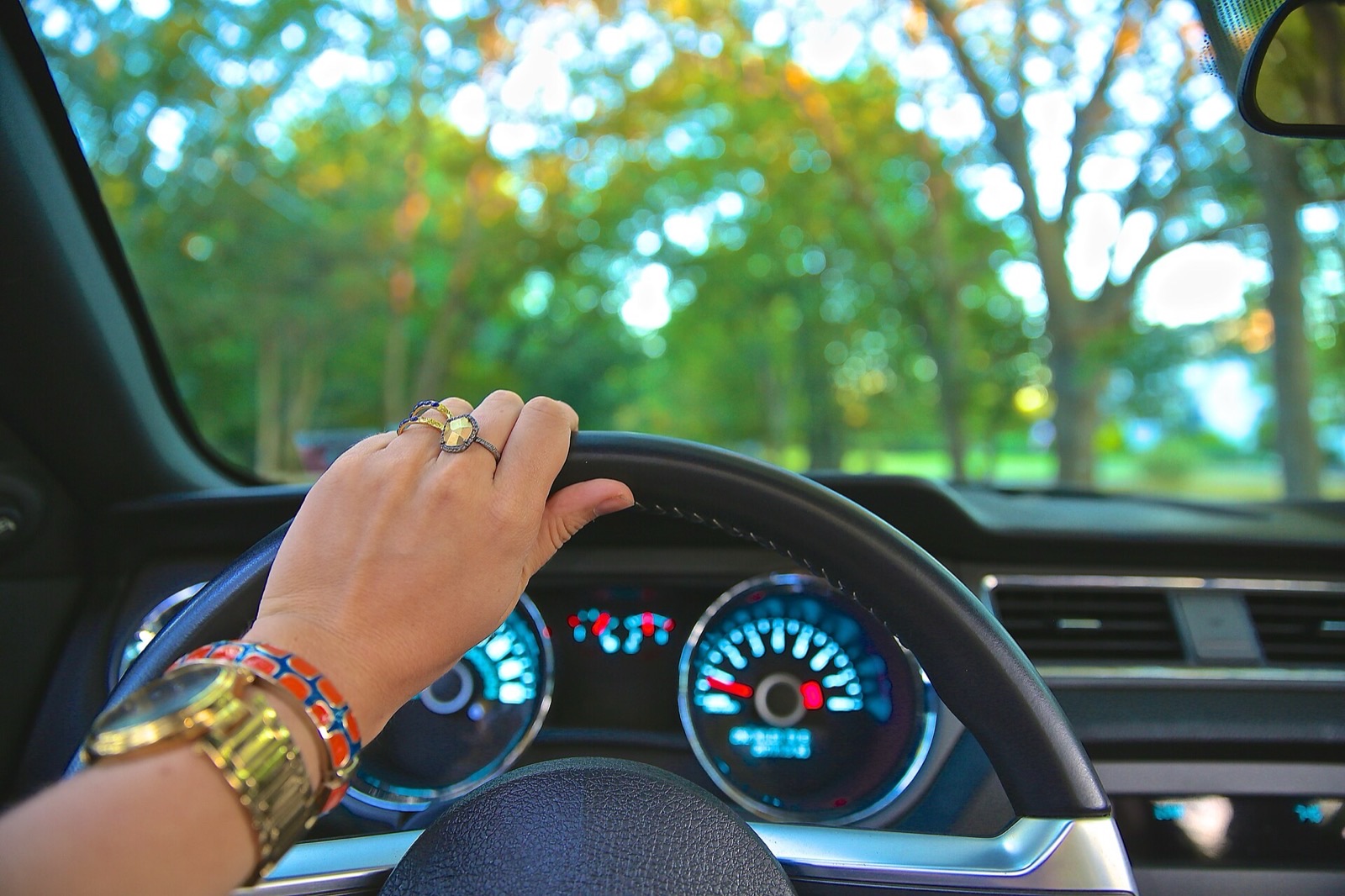
Slow down a little, leave more space, and build up to night driving in stages. Start on quiet streets you already know, then busier roads, then the highway. That is the short version. Here is what I see on real lessons, and why it works.
Dark makes everything harder at first. You see less, you judge distance worse, and other drivers’ lights get in your eyes. None of it is a reason to avoid night driving. It is a reason to practice it with someone beside you.
Glare from oncoming headlights
Glare is the thing new drivers mention most. A car comes the other way with its high beams (bright lights) on, and you are suddenly blind for a second.
- Look to the right edge line, not at the lights. Your eyes stay on the road, and you still see the other car in the side of your vision.
- Do not stare, and do not brake hard. Ease off the gas and keep the wheel steady.
- Dim the dash. A bright screen or instrument panel makes your eyes work harder. Turn it down.
- Clean the windshield, inside and out. A film of dust on the inside glass scatters light and makes glare much worse. Wipe it and the mirrors before a night drive.
If a car behind you has its bright lights on, flip your mirror to the night setting.
Headlights: use them, and check them
Turn your headlights on at dusk, not when it is fully dark. In a Cleveland fall, dusk comes early and fast. Do not rely on daytime running lights, which may leave your taillights off.
Before you drive after dark, walk around the car. Check headlights (low beams, also called dipped lights), brake lights, turn signals and taillights. A dirty lens dims a headlight, so wipe them. Use your high beams on dark roads with no traffic, and switch back to low beams when a car approaches or when you come up behind one.
You see less, and you judge distance worse
In the dark, depth perception drops. A pair of taillights can look farther away than they are. Your speed feels slower, too, so check the speedometer more often than you would by day.
Pick a speed where you can stop within the distance your headlights show. If something appears at the edge of the beam and you cannot stop in time, you were going too fast for the dark. Slow down on unlit roads, on curves, and anywhere you cannot see far ahead.
Leave more following distance
Give yourself more room than you would at noon. It buys you time to see a problem and react to it. A longer gap also keeps the other car’s headlights out of your mirrors. If someone tailgates you, do not speed up. Stay steady and let them pass when it is safe.
Tiredness is a bigger risk than it feels
Drowsiness catches new drivers out because they are tense, and tense feels awake. It is not. Do not start a late drive when you are already tired.
Signs to watch for: yawning, heavy eyelids, drifting in your lane, missing a turn you know well. If that is you, stop somewhere safe and rest. Opening the window and turning up the radio do not fix it.
Deer, pedestrians and badly lit streets
Around the edges of Cleveland’s suburbs and on park roads, such as those near the Metroparks, watch for deer. They are most active around dusk and dawn, and where there is one, there is often another. If you see one, slow down and be ready to stop. Do not swerve hard to miss it.
In neighborhoods with poor street lighting, people are hard to see. Pedestrians in dark clothing, cyclists, and people crossing between parked cars all show up late. Scan the sidewalk edges as well as the road. Slow down near bus stops and crosswalks.
Fall changes everything: early dark, fog and rain
When the clocks go back in the fall, your usual afternoon drive home can turn into a night drive overnight. The same road, the same turns, in the dark. Lake Erie adds fog and rain to the mix, and wet roads throw glare back at you from every light.
If you have been driving only in daylight, plan a practice run now rather than waiting for the first dark commute. Lower your speed in rain and fog, use your low beams, and skip the high beams in fog since they bounce straight back. For snow and ice, see our winter driving tips for Cleveland.
Build up in stages
Do not start with the highway at 9 pm. Go in steps:
- Quiet streets you know. Daylight routes, after dark. You know the turns, so you can focus on lights and distance.
- Busier roads. More traffic, more glare, more signals to read.
- The highway. Last, once the first two feel calm. Pick a quiet time and keep your following distance generous.
Teens work on this with a parent or guardian. Ohio asks for supervised practice hours, including some after dark. The rules and the current night-driving limits for teen licenses change, so check the Ohio BMV for what applies right now. Our teen driver’s ed page explains how the practice hours fit in, and the parents’ practice plan shows when to bring in the dark hours.
Adults who got a license recently can follow the same steps. Nobody needs to rush it.
Practice with an instructor
If dark driving makes you nervous, a lesson is a calm way to start. We offer evening lessons on weekdays, until 8 pm, so you can practice when the light starts to go. Your instructor sits beside you, with a second brake, and you set the pace. See Lessons & Prices for what is on offer.
Want to try night driving with an instructor?
Tell us how much you have driven and what worries you about the dark, and we will plan an evening lesson around it.
Book a lesson